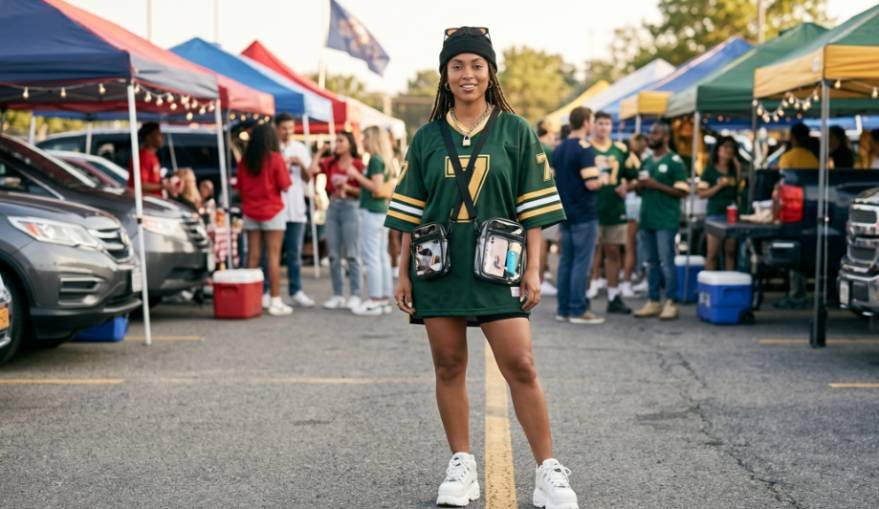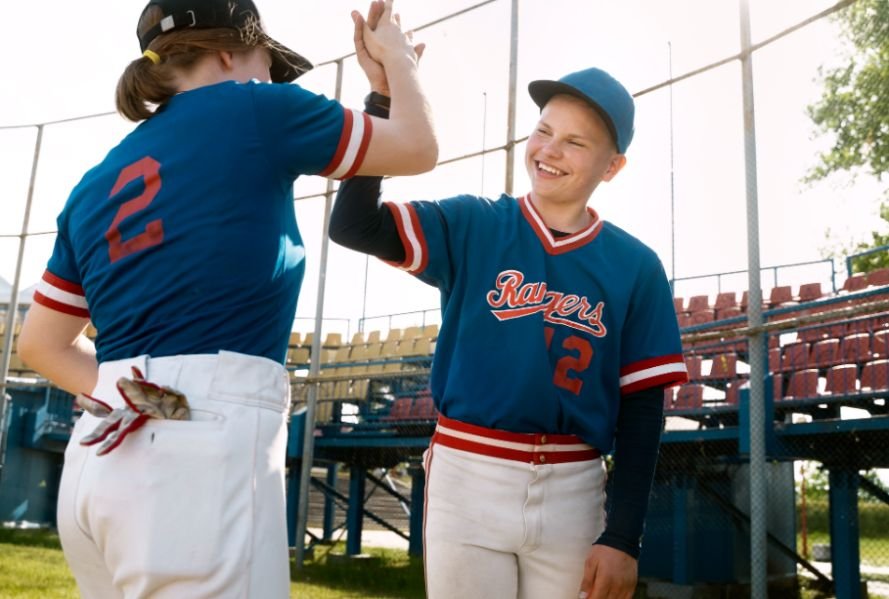



There’s something different about a sports jersey compared to an ordinary T-shirt. It could be your favorite team’s home jersey, one you bought after attending a championship game, or the uniform you wear every weekend.
Whatever the reason, jerseys often carry memories along with sweat, dirt, and grass stains. Unfortunately, many people treat them like regular laundry, only to discover faded colors, cracked numbers, or peeling logos after a few washes.
The good news is that keeping a jersey in great condition doesn’t require expensive cleaning products or professional services. Most damage happens because of a few common laundry mistakes that are easy to avoid.
Once you understand how sports fabrics, stitched details, and heat-pressed graphics react to washing, you’ll find that a few simple habits can help your jersey look newer for much longer.
Why Do Sports Jerseys Need Different Care?

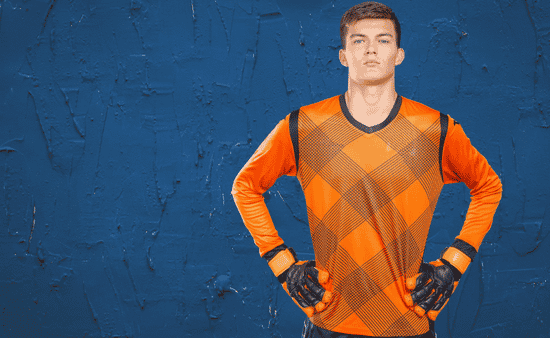
Modern sports jerseys are designed for performance, not just appearance. Most are made from lightweight polyester blends with moisture-wicking technology that helps keep athletes cool and comfortable.
These materials behave differently from cotton, which means the same washing routine you use for everyday clothes may not be the best choice.
Jerseys also include features that require extra attention. Screen-printed graphics, heat-pressed numbers, embroidered patches, stitched lettering, and sponsor logos can all wear down if exposed to high heat or rough washing cycles. Even the wrong detergent can gradually affect fabric performance over time.
Taking a few extra minutes during laundry day helps preserve both the appearance and functionality of the jersey, especially when it is part of your regular sports accessories for fans collection.
The Laundry Mistakes That Shorten a Jersey’s Life
Many jerseys become damaged long before the fabric naturally wears out. In most cases, the problem isn’t frequent washing; it’s washing them incorrectly.
Hot water is one of the biggest culprits. High temperatures can weaken polyester fibers, fade team colors, and cause printed graphics to crack over time.
Fabric softener is another common mistake. Although it leaves clothing feeling softer, it coats moisture-wicking fibers, reducing their ability to pull sweat away from the body while also trapping odors inside the fabric, which is why knowing the difference between authentic vs replica jerseys helps you choose the right care method.
The clothes you wash alongside your jersey matter too. Heavy denim, towels, jackets, or garments with exposed zippers and metal buttons create unnecessary friction inside the washing machine. That friction can snag stitching, damage lettering, and wear down printed details much faster than expected.
Even using too much detergent can leave residue behind, making athletic fabrics feel stiff and reducing their breathability.
How to Wash Sports Jerseys the Right Way?

Learning how to wash sports jerseys properly starts before the washing machine is even turned on.
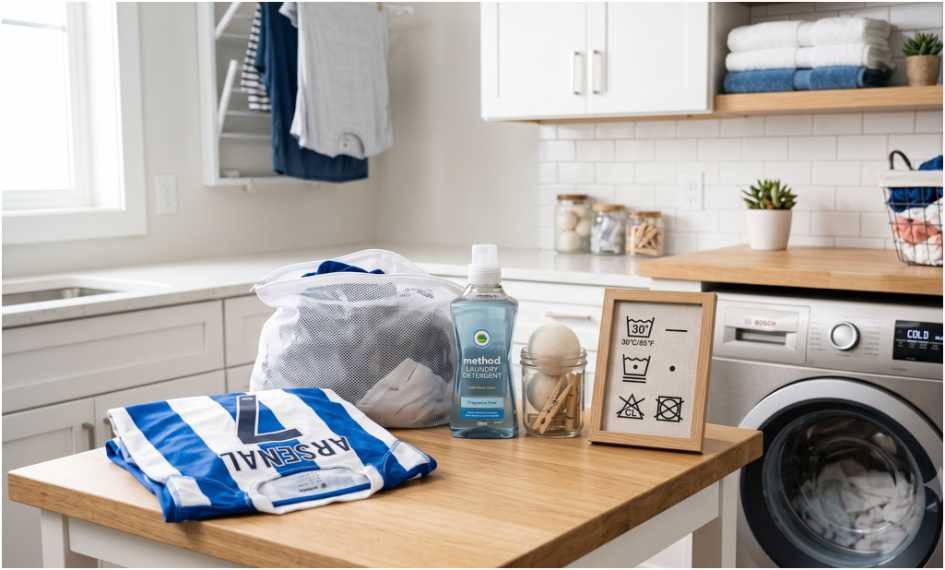
Begin by turning the jersey completely inside out. This simple step protects names, numbers, logos, and graphics from rubbing against other garments during the wash cycle. If the jersey includes zippers or hook-and-loop fasteners, secure them first to prevent snagging.
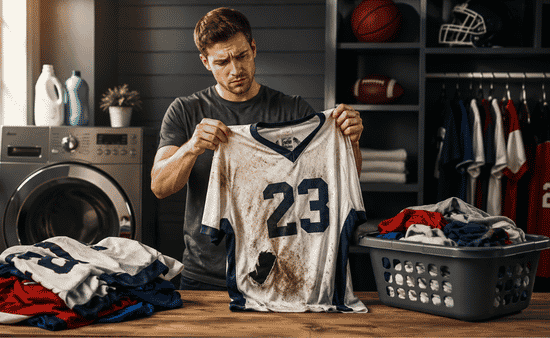
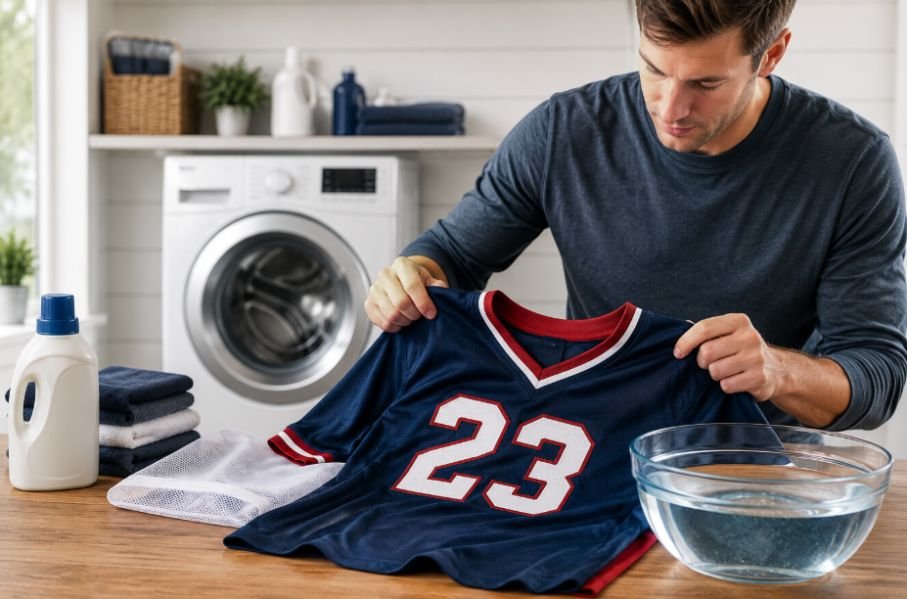
Next, inspect the fabric for stains. Grass, mud, food spills, and sweat marks should be treated before washing rather than afterward. A small amount of mild dish soap or a sports-specific stain remover applied directly to the affected area usually works well.
Allow the solution to sit for about 10 to 15 minutes before placing the jersey in the washer.
When it’s time to wash, sort jerseys only with other lightweight athletic clothing. Avoid mixing them with bulky fabrics that increase friction throughout the cycle.
Select a gentle or delicate cycle and always use cold water. Cold temperatures help preserve vibrant colors, protect moisture-wicking fabric, and reduce the risk of shrinkage. Choose a mild, bleach-free detergent designed for synthetic fabrics whenever possible.
Bleach should never be used on sports jerseys. It weakens polyester fibers, strips color, and can permanently damage printed graphics.
Drying Deserves Just As Much Attention
Many people successfully wash their jerseys only to damage them during drying.
High heat is one of the quickest ways to ruin vinyl lettering, heat-transferred graphics, and performance fabrics. A household dryer may seem convenient, but repeated exposure to high temperatures can cause cracking, peeling, shrinking, and unnecessary fabric stress.
Instead, gently reshape the jersey after washing and either lay it flat on a clean drying rack or hang it in a well-ventilated space. Air drying takes longer, but it remains the safest method for protecting both the fabric and decorative elements.
Direct sunlight should also be avoided for extended periods, as continuous UV exposure can gradually fade darker colors.
FAQs:
1. Can I wash sports jerseys in hot water?
No, hot water can damage polyester fibers, fade colors, and cause printed graphics to crack. Always use cold water for best results.
2. Is it safe to put jerseys in the dryer?
It’s best to avoid the dryer. High heat can shrink fabric and damage logos or lettering. Air drying is the safest option.
3. Should I use fabric softener on sports jerseys?
No, fabric softener can coat moisture-wicking fibers and reduce their performance while trapping odors.
4. How often should I wash my jersey?
Wash jerseys after heavy use or sweating. For light wear, airing them out may be enough before the next use.
Keeping Jerseys Fresh Between Washes
Not every jersey needs immediate washing after a single use. If you wore it casually for a few hours without sweating, allowing it to air out before storing may be enough.
For jerseys worn during sports or workouts, however, washing them soon after use helps prevent sweat, body oils, and bacteria from settling into the fibers. Waiting several days before laundering can make odors much harder to remove.
Proper storage also makes a difference. Hanging jerseys on quality hangers helps them maintain their shape, while folding collectible or signed jerseys carefully protects delicate graphics and stitching.