


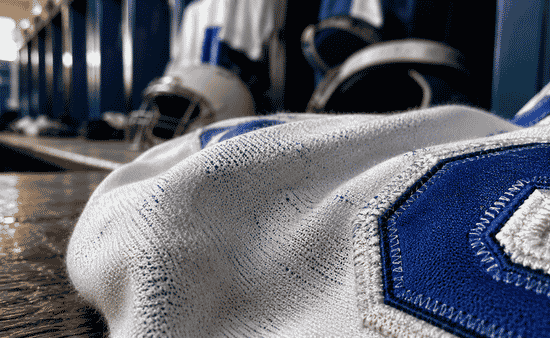
Game-day shirts, vintage kits, and artist merch can make jersey feel like the MVP of casual fashion, yet the downsides of jersey fabric show up after real wear. A favorite jersey may start soft and sharp, then shrink, twist, pill, cling, or lose shape before the season ends.
Key Takeaways
- Jersey fabric is soft and sporty, but it can stretch out, shrink, pill, snag, curl, and cling.
- Cotton jersey breathes better, while polyester jersey dries fast but may trap heat and odor.
- Single jersey is flexible, but curling edges make hemming and DIY customization harder.
- Thin jersey can turn see-through, twist at seams, or highlight body lines in photos.
- Better results come from checking GSM, choosing stronger blends, washing gently, and avoiding heat.
Jersey Fabric Basics
Jersey has a long sportswear story, and that history explains why it is loved and misunderstood.
A Quick Sportswear History
Jersey fabric takes its name from the island of Jersey, where knitted wool garments were once made for practical wear. Over time, the knit structure moved into fashion, activewear, fan gear, and team uniforms.
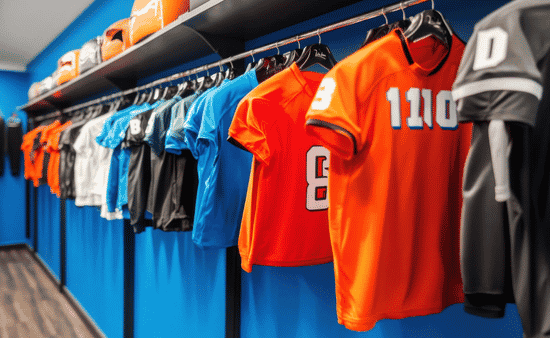
Sports gave jersey fabric its spotlight. Football shirts, basketball jerseys, baseball tops, soccer kits, and warm-up tees use jersey-style knits because they move with the body and feel easier than stiff woven fabric. That mix makes fabric choice important for comfort, image, styling, resale, and long-term fan value.
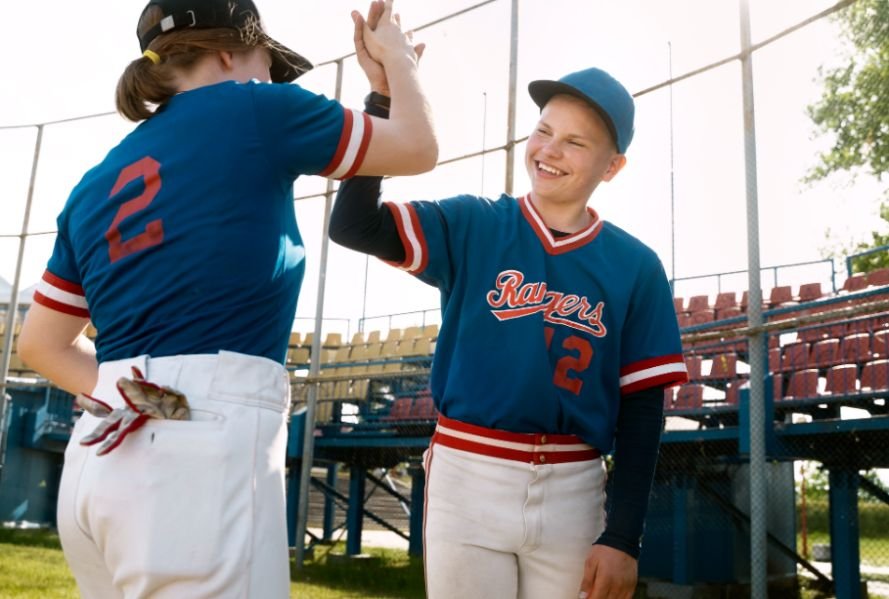
It is also why baseball jersey summer outfit ideas that look cool remain popular, as jersey fabrics combine breathability, casual style, and comfort for warm-weather wear both on and off the field.
Why Artists And Fans Love It
Artists and stylists love jersey because it feels relaxed, prints well, and carries a sporty identity. Oversized jerseys, custom numbers, tour graphics, and throwback team designs now live in music videos, streetwear drops, and fan closets.
The same traits can also cause trouble. Stretch, softness, and drape may become bagging, cling, and weak structure when fabric quality is poor.
Shape And Fit Issues
The biggest jersey complaints start with fit, because knit fabric behaves differently from woven fabric.
Permanent Stretching
Jersey stretches because it is knitted in loops, not woven in tight crisscross threads. That flexibility helps athletes move, but collars, elbows, knees, shoulders, and hems can stretch out over time, making fan jerseys and artist merch look tired.
Significant Shrinkage
Cotton jersey can shrink in hot water or high dryer heat, especially when it was not pre-shrunk. A clean vintage-style sports tee may become shorter, tighter, or awkward after washing, while heat can damage polyester prints and numbers.
Lacks Structure
Jersey is drapey, stretchy, and soft, which makes it weak for tailored silhouettes. Blazers, stiff skirts, crisp collars, and structured sports jackets usually need woven fabric, lining, or interfacing because jersey does not naturally create sharp lines.
Twist And Wear Problems
Jersey can change as it moves through washing, wearing, rubbing, and storage.
Weft Skew
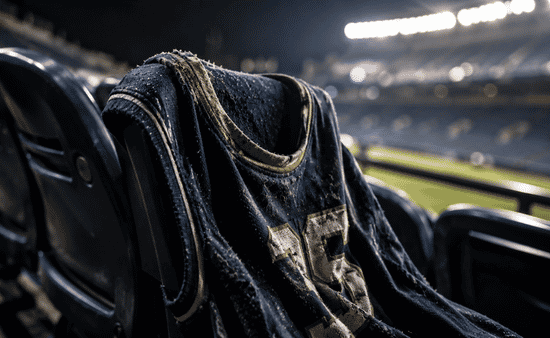
Weft skew happens when knit lines shift out of alignment. After washing, side seams may twist toward the front or back, making a shirt look off-center and causing sports graphics to sit oddly.
Snagging And Pilling
Loose knit loops can catch on bag straps, jewelry, bleachers, Velcro, or rough seats. Pilling is also common, with small fuzz balls appearing under arms, near side seams, and where jersey rubs against clothing.
Edge Curling
Single jersey fabric or knitted fabrics often curls tightly at cut edges. This may not bother a finished shirt, but it makes sewing, hemming, patching, cropping, and custom artist merch alterations frustrating without stabilizing and careful stitching.
Look And Texture Issues
Jersey can be flattering, but the wrong weight or blend can make it look cheaper than expected.
Unwanted Clinginess
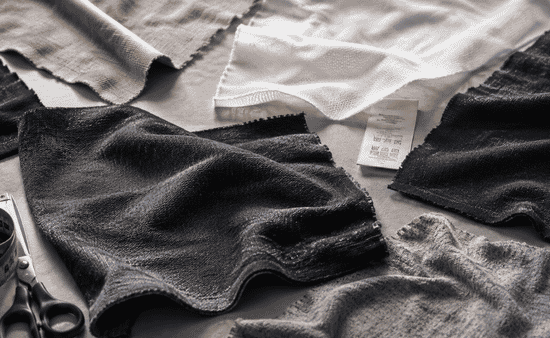
Thin or synthetic-heavy jersey can cling to the body instead of falling smoothly. It may outline underwear, sweat marks, stomach lines, or layers underneath, which matters for stage outfits, media photos, and game-day styling.
Transparency
Lightweight jersey, especially under 150 GSM, may become see-through when stretched. White, pastel, or low-density fabrics can look opaque on a hanger but reveal more under sunlight, flash photography, or movement.
Cheap Texture
Some cheap polyester jerseys feel shiny, scratchy, or plasticky. Better jersey usually has smoother hand feel, stable stretch recovery, tighter knitting, and cleaner stitching, so fabric weight and fiber content tell the real story.
Heat And Comfort Limits
Jersey is often called breathable, but that depends on fiber, knit density, and finish.
Synthetic Overheating
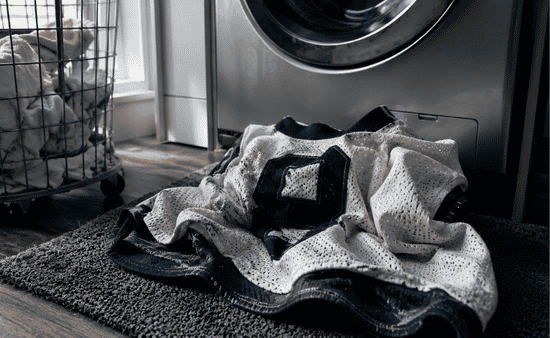
Polyester jersey can trap body heat if the knit is dense or poorly finished. During summer games, workouts, concerts, or long travel days, that trapped heat can make you sweat faster, even when the jersey looks athletic.
Odor Retention
Synthetic fibers can hold sweat odor more stubbornly than cotton. Body oils and bacteria may cling to polyester jersey, so cold water, gentle detergent, and air drying help preserve freshness.
How To Handle Downsides Of Jersey Fabric
Use this buying and care routine before treating jersey like an everyday uniform.
Check The Label
Start with fiber content. Cotton jersey is softer and more breathable, polyester jersey dries faster, rayon jersey drapes more, and spandex blends improve stretch recovery. Also check GSM, since medium-weight jersey is safer than very thin jersey.
Wash Like A Collector
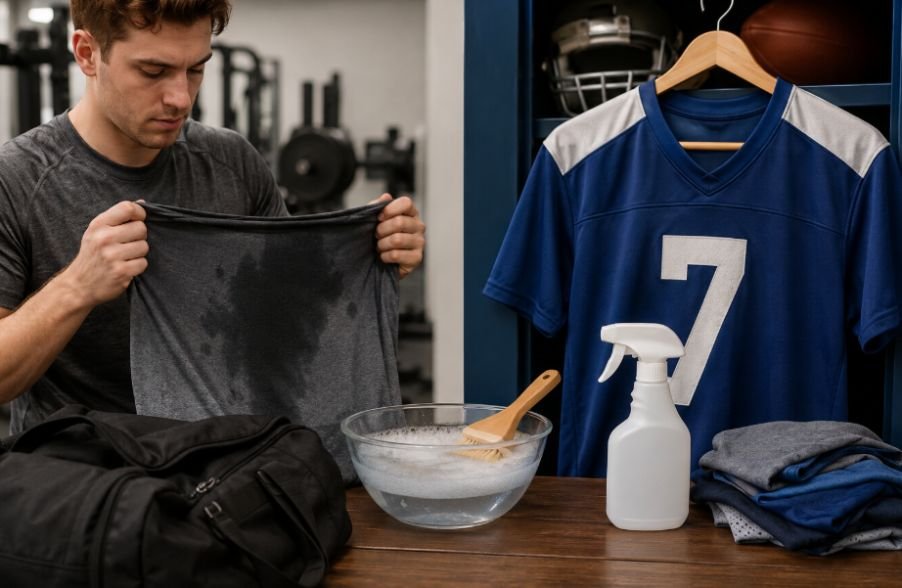
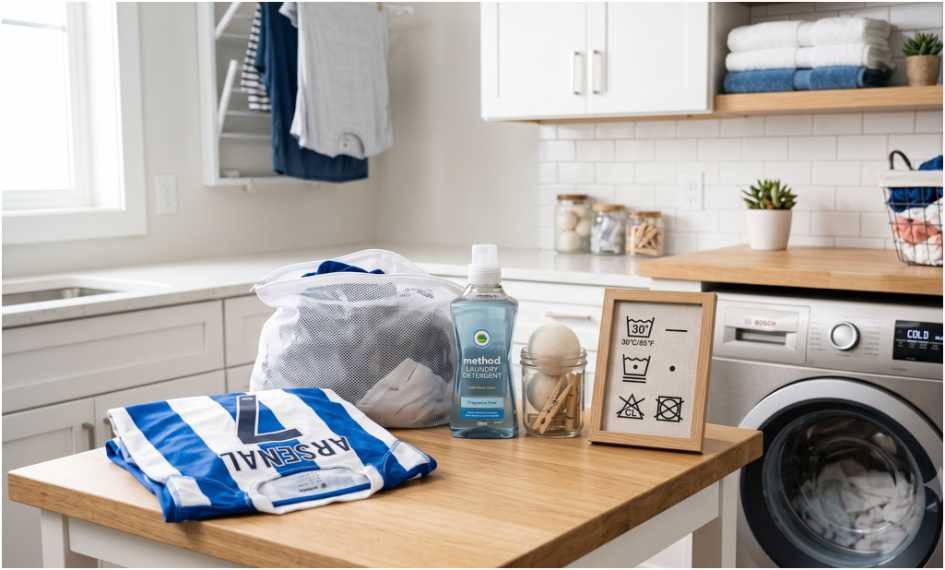
Wash jersey inside out in cold water to protect color, print, and knit structure. Skip harsh cycles because heavy agitation can increase pilling, twisting, and wear. Air drying helps prevent shrinking and cracked graphics.
Choose The Right Use
Use jersey for tees, relaxed dresses, warm-ups, fanwear, dance outfits, and casual layering. For more stability, choose interlock, ponte, French terry, or mesh jersey depending on the look and performance need.
Frequently Asked Questions
1. What Is The Unhealthiest Fabric To Wear?
No single fabric is always the unhealthiest, but poor-quality synthetics with low breathability, harsh dyes, or chemical finishes can trap sweat and irritate sensitive skin.
2. Is Jersey Fabric Good Quality?
Jersey fabric can be good quality when it has strong yarn, proper weight, tight knitting, clean stitching, and good recovery after stretching or washing.
3. Is Jersey Fabric Good For Skin?
Cotton jersey is often comfortable for skin because it feels soft and breathable, but sweaty or synthetic jersey may irritate sensitive skin during long wear.
4. Is Cotton Better Than Jersey?
Cotton is a fiber, while jersey is a knit style. Cotton can feel fresher, but cotton jersey may still shrink, stretch, or lose structure.
Know The Downsides Before You Buy
The downsides of jersey fabric do not cancel its sports history, fan appeal, or streetwear charm. They simply remind you to shop smarter. Jersey can stretch, shrink, pill, snag, curl, twist, cling, and overheat, especially in cheap or lightweight versions. Pick the right fiber, weight, and care routine, and your favorite jersey can stay game-ready much longer.