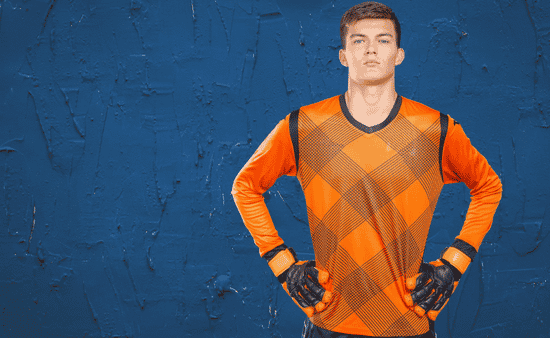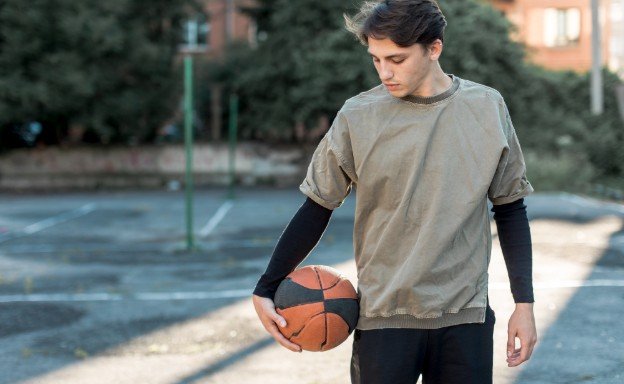


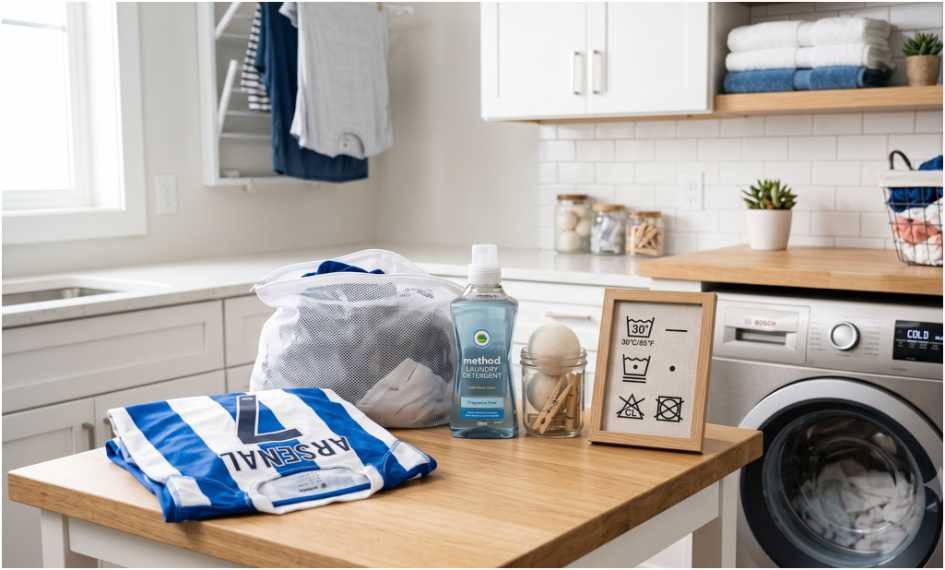


I used to think every jersey was built the same until I wore a thick one on a hot day. The design looked great, but the fabric trapped heat, held sweat, and made the whole outfit uncomfortable. That is when I realized fabric choice matters as much as style. The best jersey fabrics for warm weather should feel light, breathe well, dry fast, and move easily with the body.
Whether you are dressing for game day, a family sports night, outdoor practice, travel, or casual weekend wear, the right jersey fabric can make a huge difference. A good warm-weather jersey should keep you cool without feeling sticky, heavy, or stiff after a few hours.
Why Fabric Choice Matters in Hot Weather
Warm weather puts fabric to the test. Some jerseys look stylish but feel uncomfortable because they hold moisture and block airflow. When sweat stays trapped against the skin, even a simple outfit can feel heavy.
The right jersey material helps air move through the fabric. It also pulls moisture away from the body and dries faster. That is especially important for sports jerseys, outdoor events, tailgate parties, summer walks, and active days.
A warm-weather jersey should not only look good. It should help you stay fresh, relaxed, and comfortable from the first wear to the last wash.
What Makes a Jersey Fabric Good for Warm Weather
Breathability
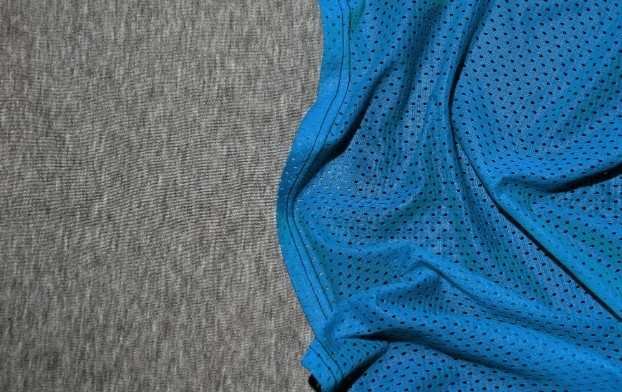
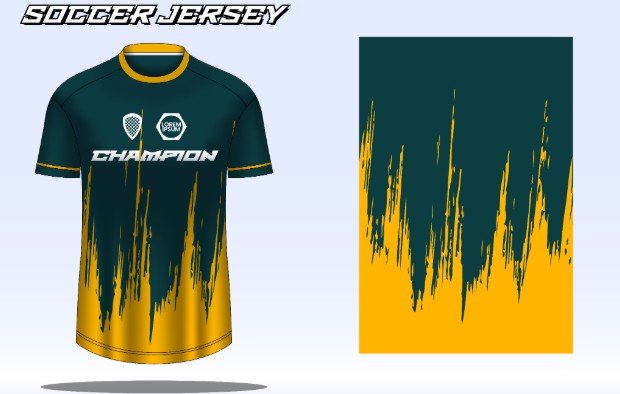
Breathability is one of the most important features in a summer jersey. A breathable fabric allows air to pass through instead of trapping body heat. Mesh textures and lightweight knits usually work better than thick, dense materials.
Moisture Control
Moisture-wicking fabrics move sweat away from the skin. This helps the jersey dry faster and prevents that damp, clingy feeling. For sports and outdoor use, moisture control is a must.
Lightweight Feel
A jersey for hot days should feel light on the body. Heavy fabrics may last longer, but they can also feel warmer. Lightweight materials make it easier to move, sit, walk, and stay comfortable for longer hours.
Stretch and Shape Recovery
Stretch helps the jersey move with you, while shape recovery keeps it from becoming loose or baggy. This matters for fitted jerseys, kids’ jerseys, athletic tops, and casual outfits that are worn often.
Best Jersey Fabric Options for Hot Days
Polyester Mesh Jersey
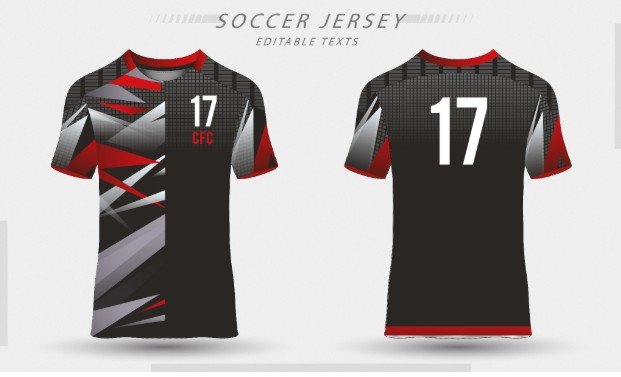
Polyester mesh is one of the top choices for heat. Its open structure allows better airflow, making it useful for outdoor games, workouts, and long sunny days. It also dries faster than cotton, which helps reduce discomfort after sweating.
This fabric is common in sports jerseys because it is durable, easy to wash, and holds color well. If you want a jersey for active use, polyester mesh is a smart choice.
Moisture-Wicking Polyester Jersey
Performance polyester is another strong option. It is lightweight, quick-drying, and made to handle movement. Many athletic jerseys use this fabric because it can manage sweat better than natural materials.
For sports, practice sessions, and outdoor events, moisture-wicking polyester is one of the best jersey fabrics for warm weather. It gives a clean look while helping the body stay dry and comfortable.
Polyester-Spandex Jersey
Polyester-spandex blends are great when comfort and movement matter. Polyester helps with strength and drying, while spandex adds flexibility. This fabric works well for fitted jerseys, training tops, and casual sportswear.
The key is to choose a lightweight blend. If the material is too thick, the stretch may feel warm in hot conditions.
Cotton Jersey
Cotton jersey is soft, natural, and comfortable for relaxed wear. It is a good option for family game nights, casual outings, and indoor summer looks. It feels gentle on the skin and has a familiar everyday feel.
However, cotton absorbs sweat and dries slowly. That means it may not be the best choice for intense sports, humid weather, or long outdoor activity.
Cotton-Polyester Blend Jersey
A cotton-polyester blend gives a balanced feel. Cotton adds softness, while polyester improves drying time and durability. This fabric is a good choice for casual jerseys, travel outfits, and everyday fanwear.
It is also easier to maintain than pure cotton and usually keeps its shape better after repeated washing.
Bamboo Jersey
Bamboo jersey feels smooth, soft, and breathable. It can feel cool against the skin, which makes it useful for casual warm-weather outfits. It is better suited for comfort-focused clothing than rough sports use.
If you want a relaxed jersey for everyday wear, bamboo jersey can be a comfortable option.
Mesh vs Knit Jersey for Warm Weather
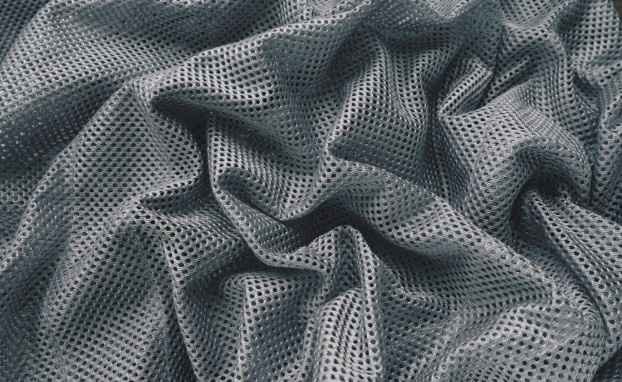
Mesh jersey is usually better for hot weather because it allows more airflow. It feels lighter and dries faster, which makes it ideal for sports, outdoor events, active days, and anyone who wants to wear a football jersey comfortably in warm conditions.
Knit jersey has a smoother surface and often looks more structured. It is better for casual outfits, fashion jerseys, and relaxed indoor wear. However, thick knit jersey can trap heat, so lightweight knit options are better for warm days.
Jersey Fabrics to Avoid in Heat
Not every jersey fabric works well in warm weather. Heavy cotton, thick double-knit polyester, stiff synthetic blends, and dense materials can trap heat. These fabrics may look premium, but they can feel uncomfortable after long wear.
Also avoid jerseys that feel rough, heavy, or rubbery. If the fabric does not allow airflow, it will likely feel hotter once you start moving.
How to Choose the Right Jersey Fabric
Choose the fabric based on how you plan to wear the jersey. For sports or outdoor games, go with polyester mesh or moisture-wicking polyester. For casual summer wear, cotton jersey, cotton-polyester blends, or bamboo jersey can work well.
Before buying, feel the fabric. It should be soft, light, and flexible. Hold it up to light if possible. If the fabric looks very dense and thick, it may not breathe well.
A good warm-weather jersey should dry quickly, move easily, and stay comfortable even after hours of wear.
Frequently Asked Questions
1. What are the best jersey fabrics for warm weather?
The best options include polyester mesh, moisture-wicking polyester, lightweight polyester-spandex blends, cotton-polyester blends, cotton jersey, and bamboo jersey. For sports, polyester mesh is usually the strongest choice.
2. Is cotton jersey good for hot weather?
Cotton jersey is good for casual wear because it feels soft and breathable. However, it absorbs sweat and dries slowly, so it is not ideal for heavy activity or humid outdoor plans.
3. Is mesh jersey better than knit jersey?
Mesh jersey is better for airflow and quick drying. Knit jersey is better for structure and casual styling, but it should be lightweight if worn in warm weather.
4. What fabric is best for sports jerseys?
Polyester mesh or moisture-wicking polyester is best for sports jerseys because they are breathable, durable, quick-drying, and easy to maintain.
Final Takeaways
When I choose a jersey for hot days, I no longer look only at the team design or color. I check how the fabric feels, how light it is, and whether it can handle sweat. The best jersey fabrics for warm weather are the ones that balance comfort, airflow, drying speed, and durability.
For active days, polyester mesh is the safest pick. For casual wear, cotton blends and bamboo jersey can feel soft and easy. The right fabric makes your jersey look better, feel better, and last longer.