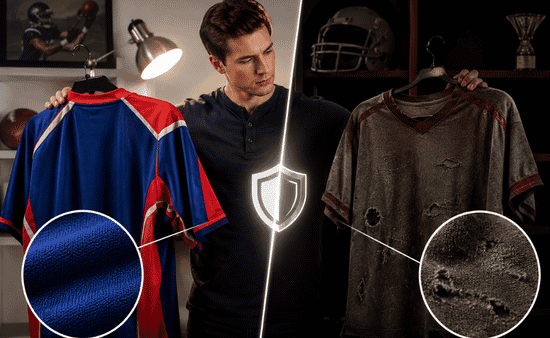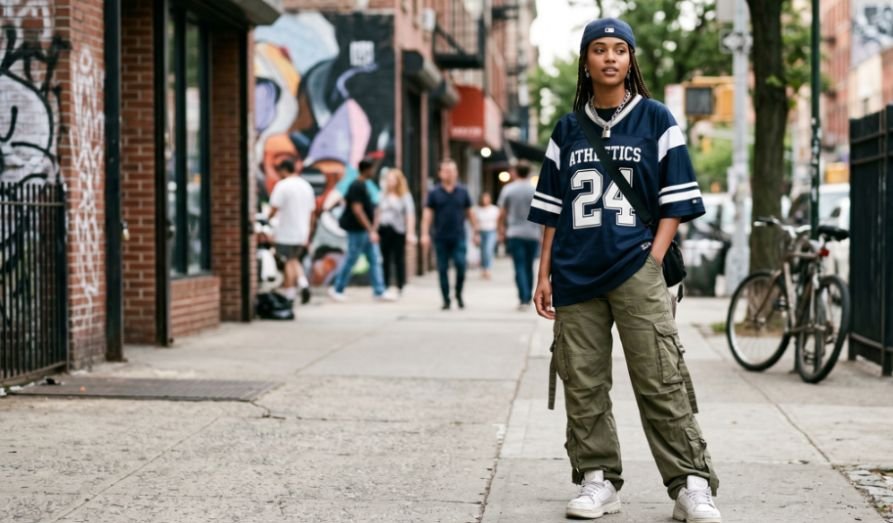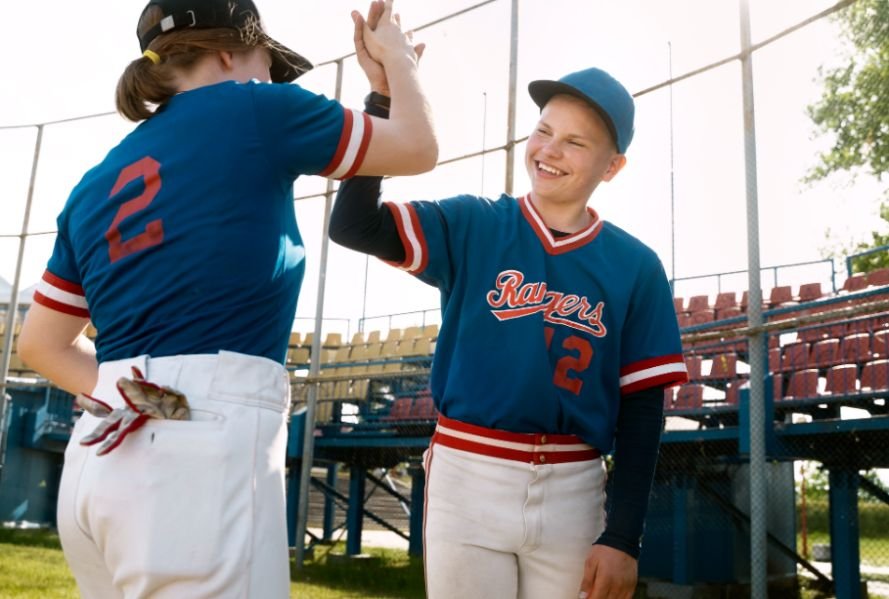



A favorite pair of workout leggings or a trusted training shirt usually doesn’t wear out overnight. The fading colors, lingering odors, stretched fabric, and peeling logos happen little by little. Most people assume that’s just part of owning sportswear, but in many cases, everyday laundry habits are the real reason performance gear loses its edge sooner than expected.
The good news is that everyday sportswear maintenance doesn’t require expensive products or extra time. A few smarter habits can help moisture-wicking fabrics stay breathable, maintain their stretch, and keep looking newer for longer. Whether you wear athletic clothing for workouts, weekend errands, or everyday comfort, proper care helps you get more value out of every piece.
Performance Fabrics Need Different Care
Sportswear isn’t built like a cotton T-shirt. Most athletic apparel combines polyester, nylon, elastane, or similar synthetic fibers that are designed to move sweat away from the skin, regulate body temperature, and provide flexibility during movement.
Those same performance features also make these fabrics more sensitive to heat, harsh detergents, and improper drying methods. Washing activewear the same way you wash towels or jeans can gradually damage moisture-wicking materials, reduce elasticity, and leave behind detergent residue that traps odors instead of removing them.
Understanding how these fabrics work is the first step toward making everyday sportswear maintenance part of your regular routine.
Small Laundry Habits That Protect Your Gear
Most damage happens inside the washing machine, not during workouts.
One of the easiest improvements is turning sportswear inside out before washing. Sweat, body oils, and deodorant residue collect on the inside of garments, so exposing that surface allows detergent to clean more effectively. At the same time, printed graphics, team logos, and vibrant colors remain protected from rubbing against other clothing.
Sorting laundry also deserves more attention. Avoid washing athletic apparel alongside heavy garments such as jeans, hoodies, or towels. Rough fabrics create unnecessary friction that can wear down lightweight performance materials over time.
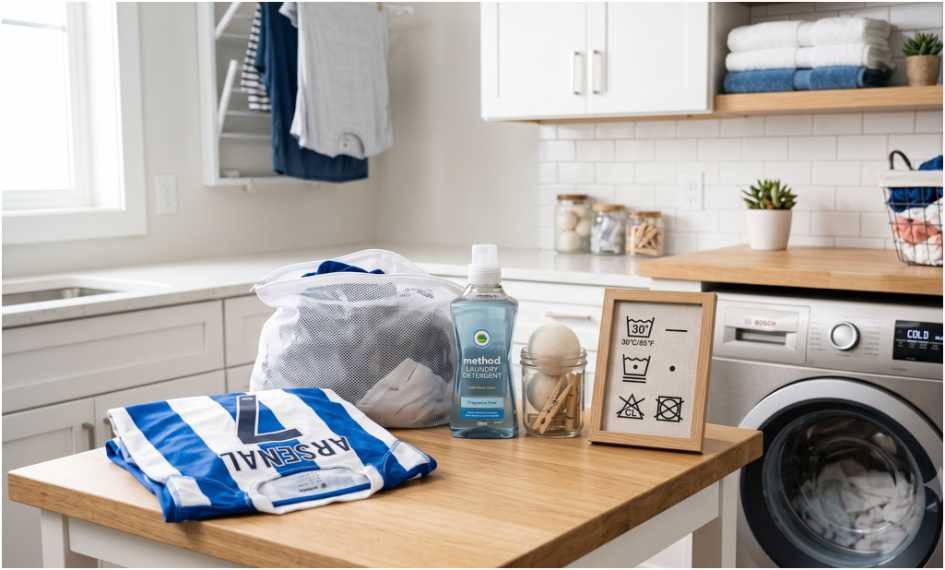
If you own sports bras, compression garments, or lightweight running tops, placing them inside mesh laundry bags helps prevent snagging on zippers, buttons, and hooks during the wash cycle.
Why Cold Water Usually Wins
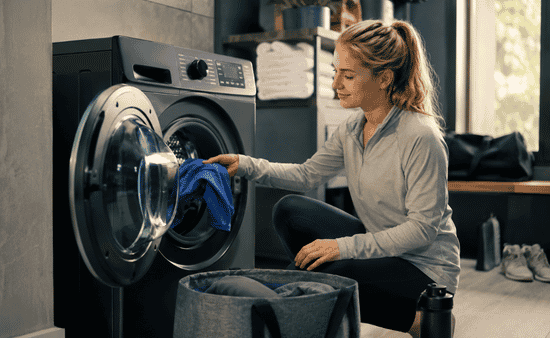
Many people assume hot water cleans better. While it can be useful for heavily soiled household items, it’s rarely the best choice for sportswear.
Heat gradually weakens elastic fibers that give leggings, shorts, and training shirts their stretch. Once elasticity begins to break down, the garment loses both its shape and its performance.
Cold water provides a gentler clean while helping preserve color, compression, and fabric construction. It also reduces the risk of shrinking synthetic blends that rely on carefully engineered fibers.
Another common mistake is adding fabric softener.
Although it leaves clothes feeling softer, fabric softener coats moisture-wicking fabrics with a wax-like layer. Over time, this blocks the tiny channels that help move sweat away from your skin, reducing breathability while allowing odors to linger.
Instead, choose an enzyme-based or sports-specific detergent designed to remove sweat, body oils, and bacteria without leaving heavy residue behind.
Don’t Let Sweat Sit for Hours
Laundry doesn’t always happen immediately after a workout, but how you store sportswear before washing matters just as much.
Throwing damp gym clothes directly into a laundry basket or zipped gym bag creates the perfect environment for odor-causing bacteria to multiply. Even a few hours trapped without airflow can make smells much harder to remove during washing.
A better habit is hanging workout clothes to air out first. Once the moisture has evaporated, place them in the laundry basket until wash day.
This simple step helps reduce odor buildup without requiring extra products or complicated cleaning routines.
Drying Methods Can Extend the Life of Sportswear
The dryer is often where high-performance fabrics begin to lose their advantage.
High heat weakens stretch fibers, shortens the lifespan of compression fabrics, and can eventually damage moisture-wicking materials. It may also affect heat-pressed graphics and printed logos that rely on adhesives rather than stitching.
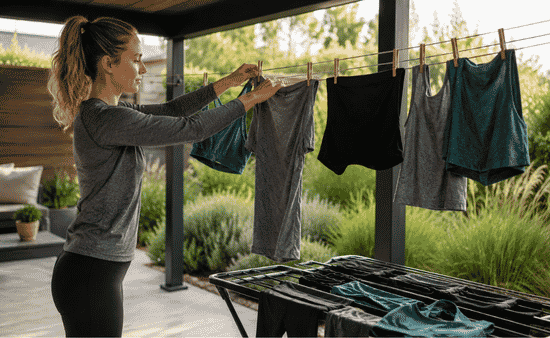
Air drying is usually the safest option. Hanging garments indoors or laying them flat allows fibers to maintain their shape while reducing unnecessary wear.
If you’re drying clothes outdoors, choose a shaded area whenever possible. Extended exposure to direct sunlight can gradually fade colors and weaken fabric, particularly on lightweight athletic apparel worn frequently throughout the year.
Caring for Jerseys and Printed Sportswear
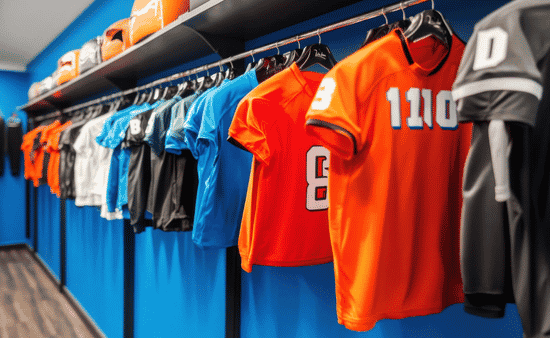
Printed graphics, numbers, and logos often require a little extra attention.
Turning garments inside out before washing helps reduce friction against other clothing, while avoiding high dryer temperatures prevents heat-pressed designs from lifting or cracking over time.
If your wardrobe includes sports jerseys, it’s worth learning how to protect jersey prints after washing so names, numbers, and graphics remain sharp even after repeated laundry cycles. Combining proper washing techniques with careful drying habits can significantly extend the life of printed sportswear.
These small adjustments take almost no extra effort but can help favorite pieces look game-ready for much longer.
A Few Better Habits Beat Expensive Products
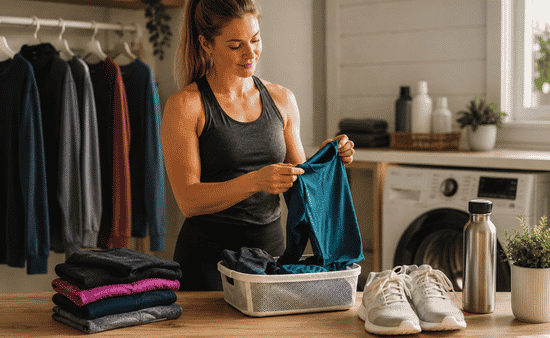
Many people search for specialty sprays, odor removers, or fabric treatments when their sportswear begins showing signs of wear. In reality, everyday sportswear maintenance depends far more on consistent habits than expensive solutions.
Cold water, gentle detergent, proper sorting, air drying, and allowing sweaty clothes to breathe before washing all work together to protect performance fabrics. Individually, each habit seems small. Combined, they help athletic clothing maintain the comfort and performance that made it worth buying in the first place.
FAQs: Simple Habits That Make Everyday Sportswear Maintenance Much Easier
How often should sportswear be washed?
Wash sportswear after each workout to remove sweat, bacteria, and body oils before they build up in the fabric.
Can I use regular detergent on activewear?
Yes, but enzyme-based or sports-specific detergents usually clean moisture-wicking fabrics more effectively without leaving residue.
Why shouldn’t I use fabric softener?
Fabric softener coats technical fibers, reducing breathability, moisture-wicking performance, and long-term odor control.
Is air drying really better than machine drying?
Yes. Air drying helps preserve elasticity, prevents heat damage, and extends the lifespan of performance fabrics and printed designs.
The Sportswear That Lasts Longest Usually Gets the Best Care
Performance apparel is designed to support movement, regulate moisture, and stay comfortable through repeated use. Those benefits don’t disappear because the clothing gets older; they disappear because everyday care habits slowly work against the fabric. A little extra attention before washing, choosing the right detergent, skipping the fabric softener, and avoiding high heat can dramatically improve how long your gear performs and how good it continues to look.
The best sportswear isn’t always the newest. It’s often the gear that’s been cared for the right way from the very beginning.