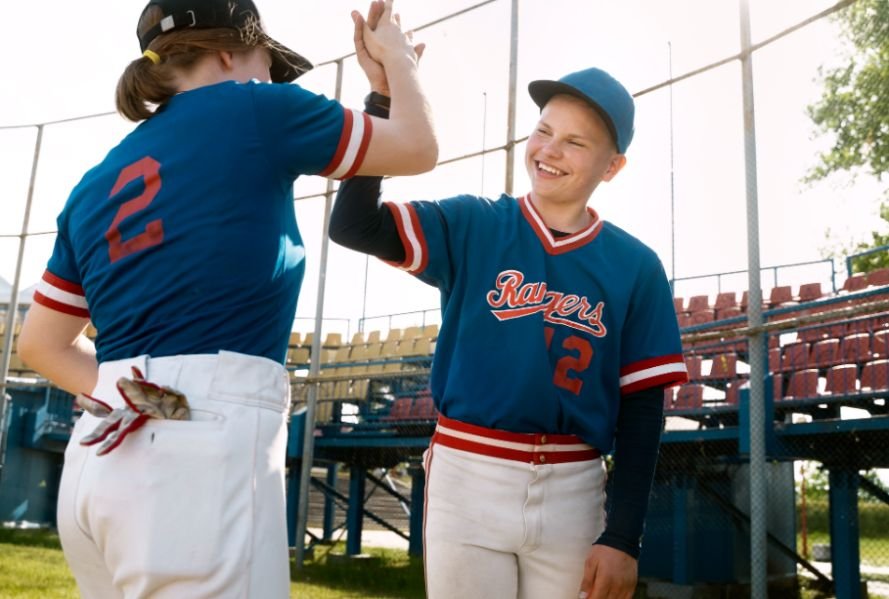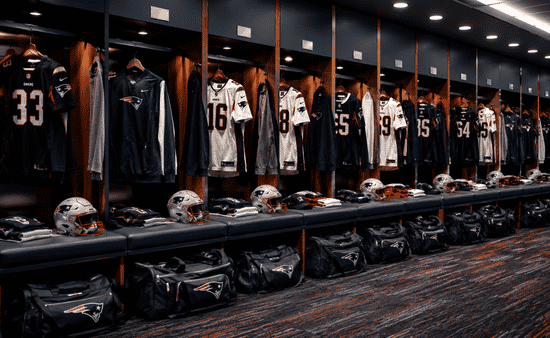

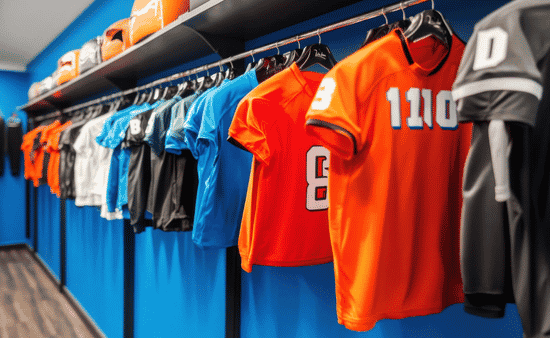

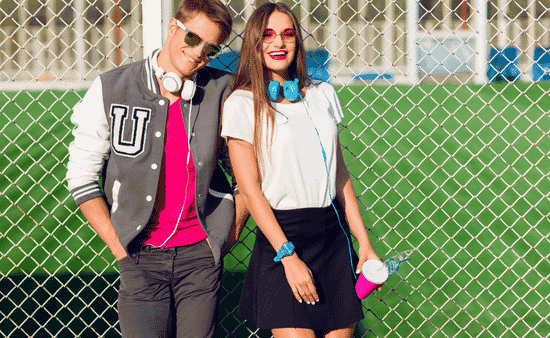

A stadium can feel united before the whistle even blows. One glance at a sea of jerseys, scarves, caps, and face paint shows the power of the psychology of team colors. It turns teamwear into identity, fan culture into emotion, and game day into something people proudly wear.
Key Takeaways
- Colors help fans feel connected instantly.
- Teamwear makes loyalty visible.
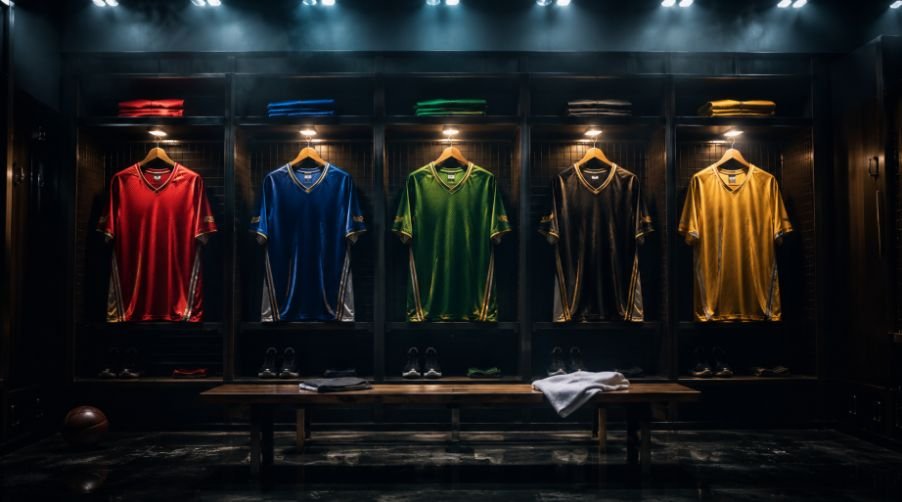
- Red, blue, green, black, and gold send different signals.
- Smart teams use colors for confidence, tradition, and merch.
- The best color choices build pride beyond game day.
Why This Color Hype Matters
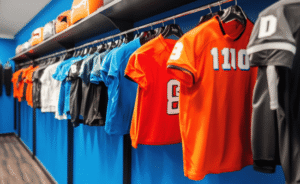
Team colors are not just decoration. They are the first thing fans recognize on a jersey, banner, hoodie, cap, or stadium wall.
The psychology of team colors matters because fans do not only watch a team. They wear it, defend it, post it, gift it, collect it, and pass it down.
That is what makes teamwear powerful. A simple color combination can turn a casual supporter into part of a larger tribe with shared chants, rituals, memories, and pride.
Team Colors Speak First
Team colors act as nonverbal communication. Before a player steps onto the field, the uniform already says something about strength, speed, unity, pressure, confidence, and tradition .
For fans, color works even faster. A red jersey in a crowd can feel fiery. A blue hoodie can feel loyal and composed. A black cap can feel bold, serious, and intimidating.
In teamwear and fan culture, colors influence athlete identity, opponent perception, fan loyalty, and merchandise appeal. That is why choosing a team palette is both emotional and strategic.
This is why understanding the purpose of jerseys helps explain their role in fan culture and team identity.
The Psychological Breakdown
Every popular team color carries a different feeling, and fans often connect with that feeling before they understand why.
Red: Passion And Pressure
Red is associated with passion, aggression, energy, urgency, and competitive fire. It grabs attention quickly, which makes it powerful on jerseys, helmets, banners, and supporter gear.
Some sports studies have linked red with perceived dominance in close head-to-head contests, though research is still debated. In fanwear, red almost always feels loud, proud, and impossible to ignore.
That is why teams like the Chicago Bulls use red so well. It gives their branding a fierce, high-energy personality that fans can wear with confidence.
Blue: Trust And Focus
Blue communicates trust, stability, focus, loyalty, and calm control. It feels dependable, which makes it one of the strongest colors for long-term fan identity.
Teams that want to project tradition, composure, and reliability often lean into blue. It works especially well on classic jerseys, training wear, varsity jackets, and everyday fan apparel.
The Dallas Cowboys’ blue and silver identity shows how color can create a polished, steady, and recognizable team image across generations of fans.
Green: Growth And Unity
Green represents growth, balance, endurance, renewal, and harmony. It has a grounded feeling that works well for teams built around teamwork, community, and resilience.
In fan culture, green can feel fresh and connected. It is often used in scarves, outerwear, caps, and supporter collections because it feels natural and easy to wear.
Green also works beautifully for teams that want to highlight legacy, local pride, or a strong bond with their city, school, or community.
Black: Power And Mystery
Black projects authority, strength, discipline, control, and intimidation. It gives teamwear a bold edge and makes uniforms look sharper, heavier, and more commanding.
The Las Vegas Raiders are a perfect example. Their black-heavy identity feels tough, fearless, and instantly recognizable, which makes the merchandise feel just as powerful as the team image.
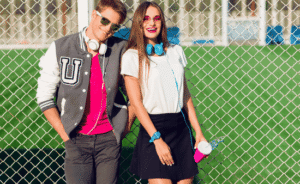
Fans love black because it is stylish beyond the stadium. A black jersey, hoodie, or cap can work on game day and still feel wearable in everyday streetwear.
Yellow And Gold: Confidence And Shine
Yellow and gold signal optimism, success, alertness, pride, and victory. These shades feel bright, energetic, and celebratory, especially when used as accents.
Gold connects strongly with trophies, championships, legacy, and premium teamwear. It can make a jersey, patch, logo, or limited-edition merch drop feel more special.
Used carefully, yellow and gold add excitement without overwhelming the design. They are perfect for statement details, anniversary kits, and fan collections built around big moments.
How Teams Use Colors Strategically

Smart teams do not pick colors only because they look good. They use them to shape emotion, team identity, opponent perception, and fan behavior. When color, fit, and design work together, they also strengthen group pride, which is why understanding sports teamwear essentials can help teams build a more unified fan and player identity.
Intimidation
Intimidating colors create presence before the game starts. Red can feel aggressive and urgent, while black can feel dominant, serious, and fearless.
The Chicago Bulls use red to project competitive fire. The Las Vegas Raiders use black to build an authoritative image that fans proudly turn into a lifestyle.
In teamwear, intimidation works best when the color is repeated everywhere. Jerseys, warmups, caps, fan towels, and stadium visuals should all tell the same strong story.
Strategy And Focus
Some teams rely on colors that feel composed and reliable. Blue, silver, white, and navy often suggest tradition, focus, professionalism, and trust.
The Dallas Cowboys’ blue and silver palette supports a polished and steady identity. It feels classic, recognizable, and easy for fans to wear across different types of merchandise.
This is why strategic teams often avoid chaotic palettes. A clean color system helps fans remember the brand faster and keeps teamwear looking timeless.
The Red Effect
The red effect is the idea that red may create a psychological edge in certain direct competitions, especially when dominance and perception matter.
That does not mean red guarantees victory. Performance still depends on skill, coaching, preparation, and teamwork.
For teamwear and fan culture, the bigger lesson is clear. Color can influence how players feel, how rivals perceive them, and how fans emotionally connect to the team.
How To Use Psychology Of Team Colors
Use the psychology of team colors like a practical guide for uniforms, fanwear, merch drops, and supporter campaigns.
Choose The Core Emotion
Start by naming what the team should represent. Is the identity fierce, loyal, traditional, youthful, elite, community-driven, rebellious, or championship-focused?
Once the emotion is clear, the main color becomes easier to choose. Red fits fire and aggression. Blue fits trust. Black fits power. Green fits unity. Gold fits success.
This step matters because fans do not only buy fabric. They buy the feeling that comes with the crest, color, and story.
Build A Wearable Palette
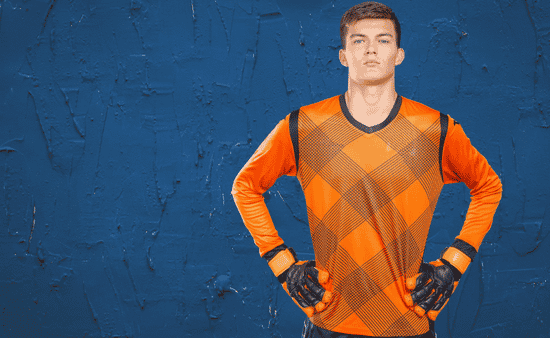
A strong teamwear palette should include one main color, one supporting color, and one accent color. This keeps jerseys, hoodies, caps, scarves, and banners connected.
The 6 3 1 color rule is useful here. Use about 60% dominant color, 30% secondary color, and 10% accent color to keep designs balanced and easy to recognize.
A clean palette also helps merchandise sell better. Fans are more likely to buy pieces that feel stylish, wearable, and connected to the team’s identity.
Test It On Real Gear
A color can look great on a screen but fail on fabric. Teams should test colors on jerseys, embroidery, patches, screen prints, caps, socks, and stadium signage.
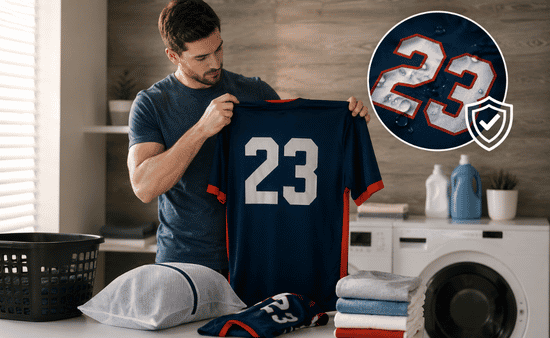
Contrast is important too. Numbers, names, sponsor marks, and logos must be readable from distance, on TV, and in photos.
The best team colors work in real life. They look strong under stadium lights, sharp in fan selfies, and attractive enough for everyday wear.
Color In Teamwear History
Sports history is full of color-coded identity. Fans remember teams not only by wins, but by jerseys, helmets, stripes, logos, and iconic game-day looks.
Classic uniforms become part of culture because they repeat the same colors for years. That repetition builds memory, nostalgia, and loyalty across generations.
Modern fan culture pushes this even further. Limited-edition kits, retro jerseys, blackout games, color-rush uniforms, scarves, sneakers, and supporter sections turn team colors into lifestyle fashion.
Frequently Asked Questions
1. What Are The 4 Colors Of Carl Jung?
The four popular Jung-inspired color energies are red, blue, yellow, and green. In teamwork discussions, they are often linked with leadership, analysis, social energy, and supportive collaboration styles.
2. What Is The 6 3 1 Color Rule?
The 6 3 1 color rule means using 60% main color, 30% secondary color, and 10% accent color. It helps teamwear designs feel balanced, readable, and visually consistent.
3. What Do The Colors Of Teamwork Symbolize?
In the psychology of team colors, teamwork colors often symbolize trust, unity, drive, balance, confidence, and shared identity. The exact meaning depends on sport, culture, history, and design context.
4. What Are The Forbidden Colors In Psychology?
There are no universal forbidden colors in psychology. However, some color combinations can feel stressful, hard to read, culturally sensitive, or visually confusing when used without proper context.
Final Whistle In Full Color
The psychology of team colors makes fan culture feel bigger than a scoreboard. It turns jerseys into identity, scarves into memories, and merchandise into loyalty people can wear. Pick colors with purpose, connect them to team values, and every uniform, hoodie, cap, and chant will carry the same powerful message.