



For many fans, a sports jersey is more than something to wear on game day. It represents unforgettable moments, favorite players, championship seasons, or years spent supporting a team through every win and loss. Whether it’s an authentic jersey, a limited-edition release, or one you’ve owned for years, keeping it in great condition helps preserve both its appearance and its value.
The surprising part is that jerseys rarely get ruined overnight. Most damage comes from everyday habits that seem harmless at the time. Washing with the wrong settings, storing them incorrectly, or using products designed for regular clothing can slowly wear down performance fabrics, heat-pressed graphics, and embroidered details. Avoiding a few common mistakes can make your jersey look newer for much longer.
The Biggest Damage Often Happens on Laundry Day
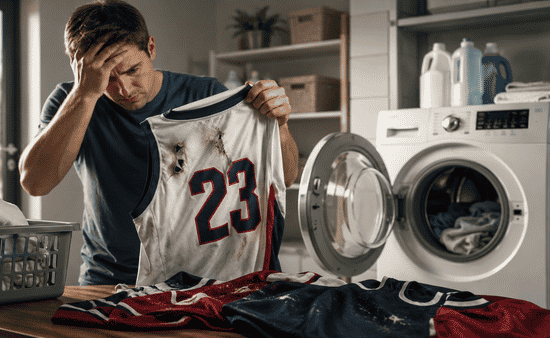
Laundry is where most jerseys begin to lose their original look. Modern athletic jerseys are made with moisture-wicking materials, lightweight mesh panels, and specialized graphics that don’t respond well to the same wash cycle as everyday clothing.
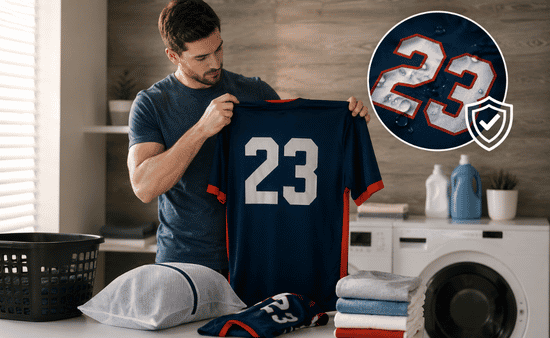
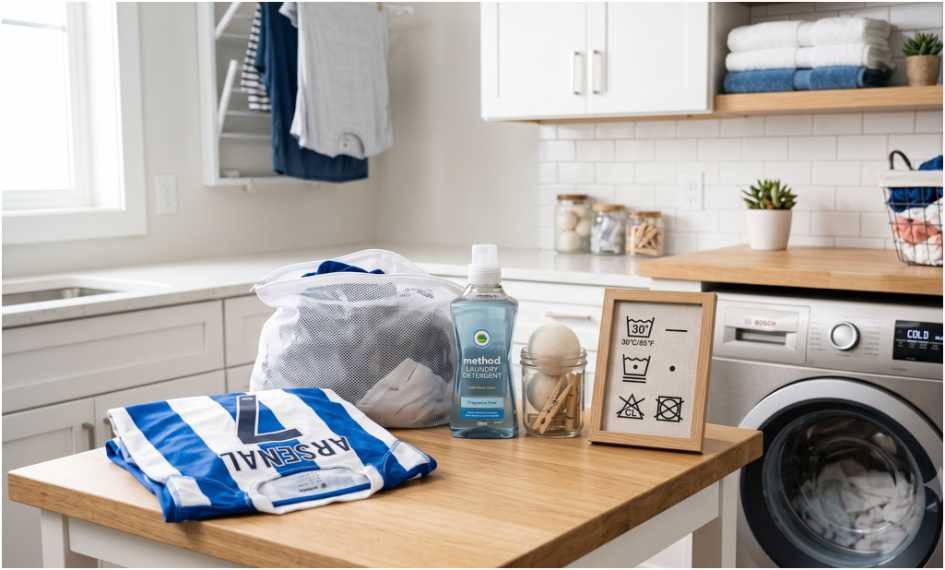
One of the biggest mistakes is using hot water. High temperatures weaken the adhesive used on screen-printed names and numbers, increasing the chances of peeling or cracking over time. Cold water is much gentler on both the fabric fibers and printed graphics while still removing sweat and everyday dirt.
Another mistake is throwing a jersey into the washer without turning it inside out. During the wash cycle, logos, numbers, and stitched patches rub against other garments and the drum itself. Washing inside out helps reduce friction and protects the areas that are most likely to show wear first.
Fabric Softeners Aren’t Your Jersey’s Friend
Fabric softener works well on towels and everyday clothing, but sports apparel tells a different story.
Performance jerseys are designed to manage moisture and airflow. Fabric softeners leave behind a coating that reduces breathability and can gradually affect how the material performs. Over time, that residue may also weaken the adhesive backing used on patches and heat-pressed graphics.
A mild detergent is usually all that’s needed to clean a jersey properly. Using too much detergent can also leave residue behind, so following the recommended amount is just as important as choosing the right product.
If you’re learning how to protect jersey fabric, choosing the right detergent and skipping unnecessary additives is one of the easiest habits to build.
Heat Is One of the Fastest Ways to Shorten a Jersey’s Lifespan
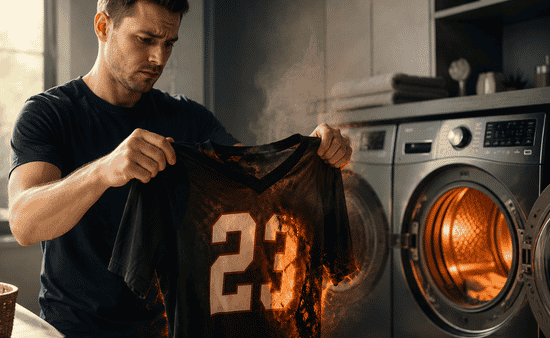
Many people assume the dryer saves time without causing much harm. Unfortunately, dryers combine two things jerseys dislike most: heat and friction.
High temperatures can shrink synthetic performance fabrics, while repeated tumbling causes graphics to crack, wrinkle, or separate from the material. Even embroidered patches can become distorted after repeated exposure to excessive heat.
Air drying remains the safest option. Lay the jersey flat on a clean towel or hang it on a sturdy plastic hanger in a shaded, well-ventilated area. Direct sunlight should also be avoided because prolonged UV exposure can contribute to fading, especially on darker team colors.
Everyday Habits Can Cause More Wear Than You Think
Not every problem starts in the laundry room.
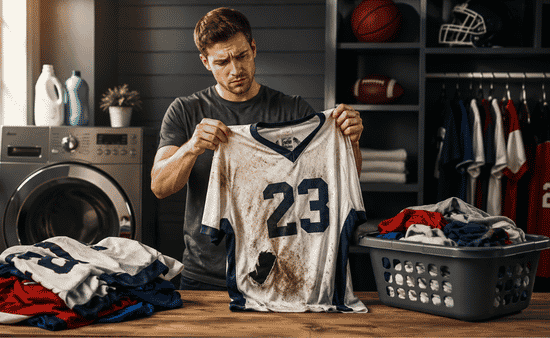
Wearing backpacks over jerseys for long periods creates repeated friction across player names and numbers. Sitting against rough stadium seats, carrying shoulder bags, or allowing stains to sit for several days can all reduce a jersey’s lifespan.
Food spills and sweat should also be addressed relatively quickly. While performance fabrics are designed to manage moisture, leaving sweat trapped in the material for extended periods can contribute to lingering odors and gradual fabric breakdown.
Taking your jersey off after the game instead of wearing it for the rest of the day can also help reduce unnecessary wear.
Storage Matters More Than Most Fans Realize

Proper storage is often overlooked, especially during the offseason.
Wire hangers may seem convenient, but they concentrate weight on narrow points, stretching shoulder seams and gradually changing the jersey’s shape. Padded or wide plastic hangers provide much better support for heavier jerseys.
Collectors who rotate multiple jerseys should also avoid storing them in damp areas such as basements or garages. Moisture can encourage mildew, while prolonged exposure to sunlight may fade colors even when the jersey isn’t being worn.
If you’re folding a jersey for storage, avoid placing heavy items on top of it for long periods. This helps prevent permanent creases across printed graphics.
Small Care Habits Deliver the Biggest Results
Keeping a jersey looking great doesn’t require expensive cleaning products or professional services. It simply requires consistency.
Read the care label before every wash, especially if the jersey includes specialty patches or commemorative stitching. Treat stains gently instead of scrubbing aggressively, and avoid ironing directly over graphics. If wrinkles need attention, turn the jersey inside out or place a thin cloth between the iron and the fabric while using the lowest heat setting.
These small habits protect the details that make a jersey stand out, allowing it to stay game-day ready season after season.
FAQs: Avoid These Common Mistakes That Ruin Sports Jerseys Before It’s Too Late
Can I wash a sports jersey with regular clothes?
It’s best to wash jerseys separately or with similar lightweight garments to reduce friction and protect graphics.
Why should jerseys always be washed in cold water?
Cold water helps preserve colors, protects performance fabrics, and reduces the risk of cracked or peeling graphics.
Is it safe to dry a jersey in a dryer?
Air drying is the safest choice because dryer heat can shrink fabric and damage printed names, numbers, and patches.
What’s the best way to store a sports jersey?
Use padded or wide plastic hangers, keep jerseys away from direct sunlight, and store them in a cool, dry place.
The Jerseys That Last the Longest Usually Receive the Simplest Care
A sports jersey doesn’t need complicated maintenance to stay in excellent condition. Most long-lasting jerseys belong to fans who avoid the small mistakes that quietly cause damage over time. Washing with cold water, skipping fabric softener, air drying, and storing jerseys properly all work together to protect colors, graphics, and performance materials. Consistency matters far more than expensive cleaning products.
A few better habits today can keep your favorite jersey looking just as good for many seasons to come.